In-House Research
Anticipating the Future of Work: A Multi-Stakeholder Analysis of Workforce Essential Skills
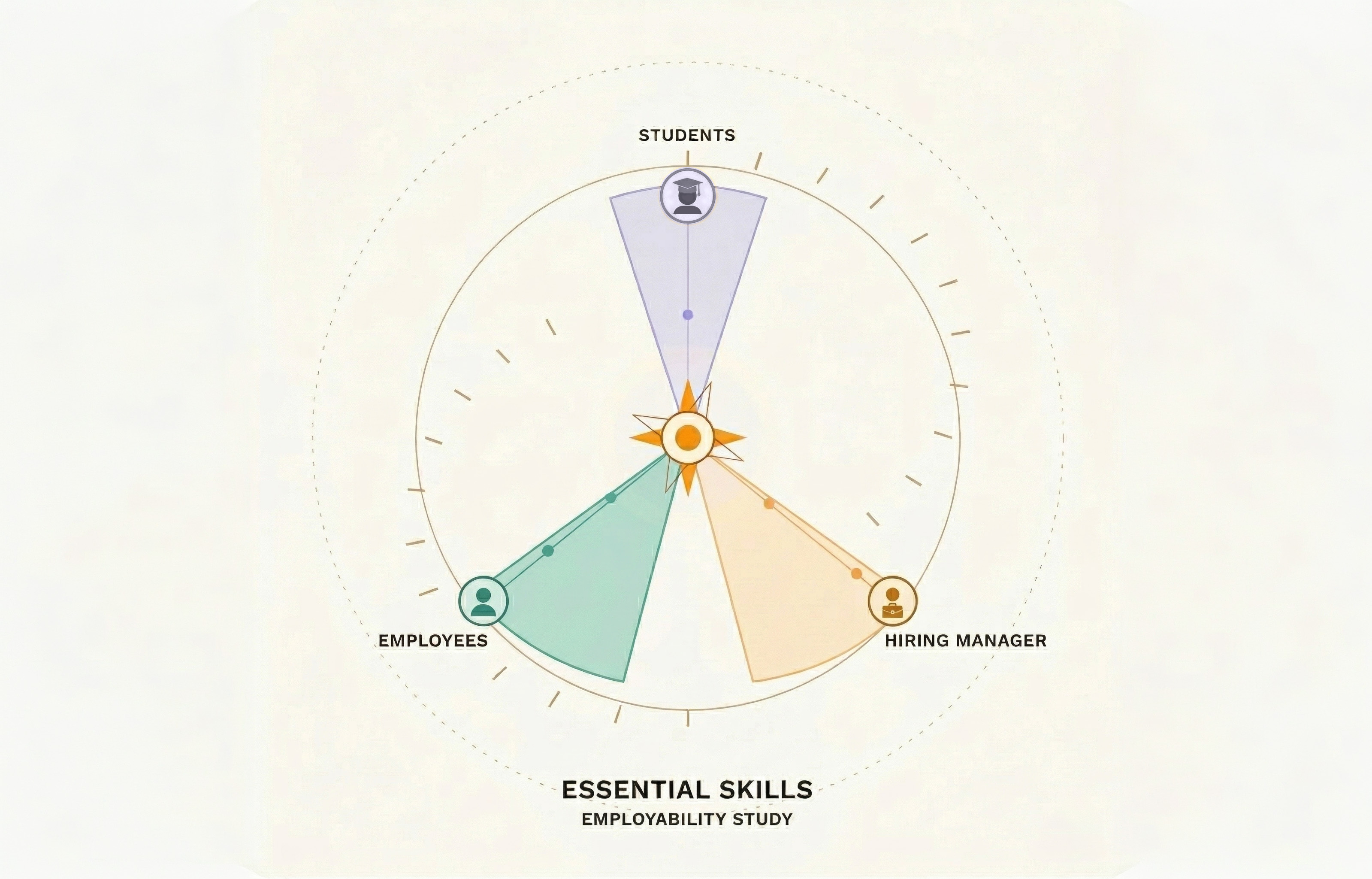
This study examines which employability skills are considered essential for success in today's workforce and how those expectations are evolving for the future. In addition to identifying key skills, the research intentionally captures more intangible dimensions of work, including how individuals navigate ambiguity, demonstrate judgment, build relationships, and adapt in dynamic environments.
Beyond perceived importance, the study explores how different stakeholder groups evaluate proficiency, preparedness, and the extent to which these skills and underlying capabilities influence hiring and selection decisions. We gather perspectives from three groups: students preparing to enter the workforce, current professionals, and organizational leaders responsible for hiring and talent development. By comparing these viewpoints, the study highlights areas of alignment as well as critical gaps between how skills are developed, experienced, and evaluated in practice.
The findings will support more intentional curriculum design, strengthen workforce development initiatives, and help organizations refine talent strategies that account not only for measurable skills, but also for the less visible, experience-based capabilities that shape performance and long-term success in the workplace.
Perspectives from Employees with ADHD to Optimize Workplace Performance in Hybrid and Remote Settings
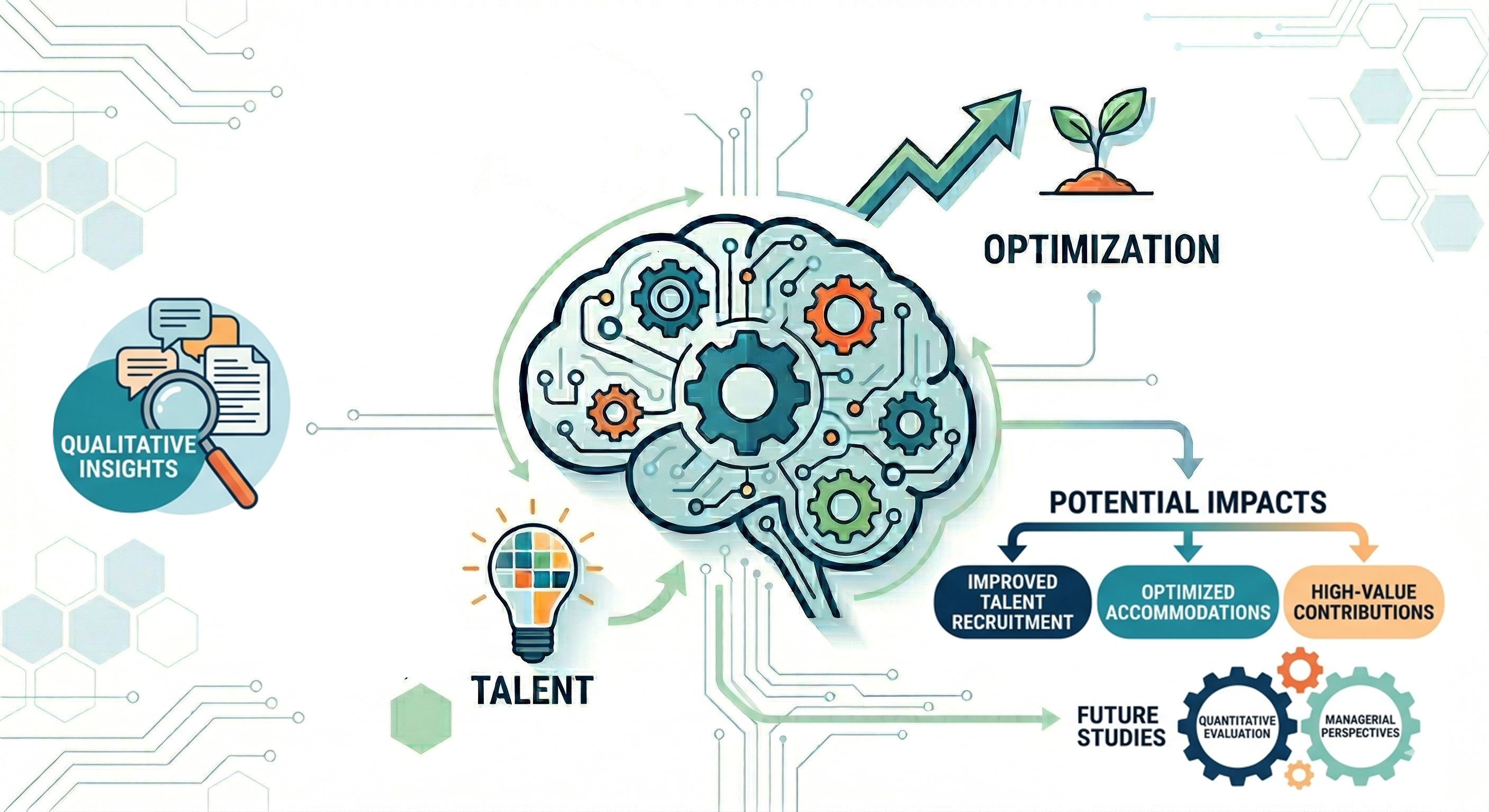
The purpose of this study is to better understand the perspectives and experiences of employees with ADHD in remote and hybrid roles regarding the accommodations, supports, and feedback that optimize their contributions and well-being in the workplace. This work goes beyond identifying standard workplace accommodations to help organizations understand how to enhance ADHD talent specifically. The study will employ a qualitative design to capture the perspectives of workers with ADHD through in-depth interviews and thematic analysis.
Potential impacts of this work are significant, and include improved talent identification and recruitment processes, revisions or further specifications to existing accommodations for neurodiverse employees, as well as bridging the gap between accommodations for in-office and remote/hybrid neurodiverse employees. Ultimately, the results of this research may serve to support and position neurodivergent professionals for high-value contributions in the workplace by informing organizations of specific ways to optimize their neurodivergent talent.
Future studies will include a quantitative evaluation of the accommodations or optimization strategies identified in the primary qualitative study, and a similar qualitative evaluation of the managerial or supervisory perspective on these strategies. A primary product of this line of research may be a standardized assessment or training protocol to convey the knowledge we gain regarding how to specifically optimize the unique strengths of a neurodiverse workforce.
Tuning In: Sound Therapy as a Wellness Approach for Higher Education Professionals
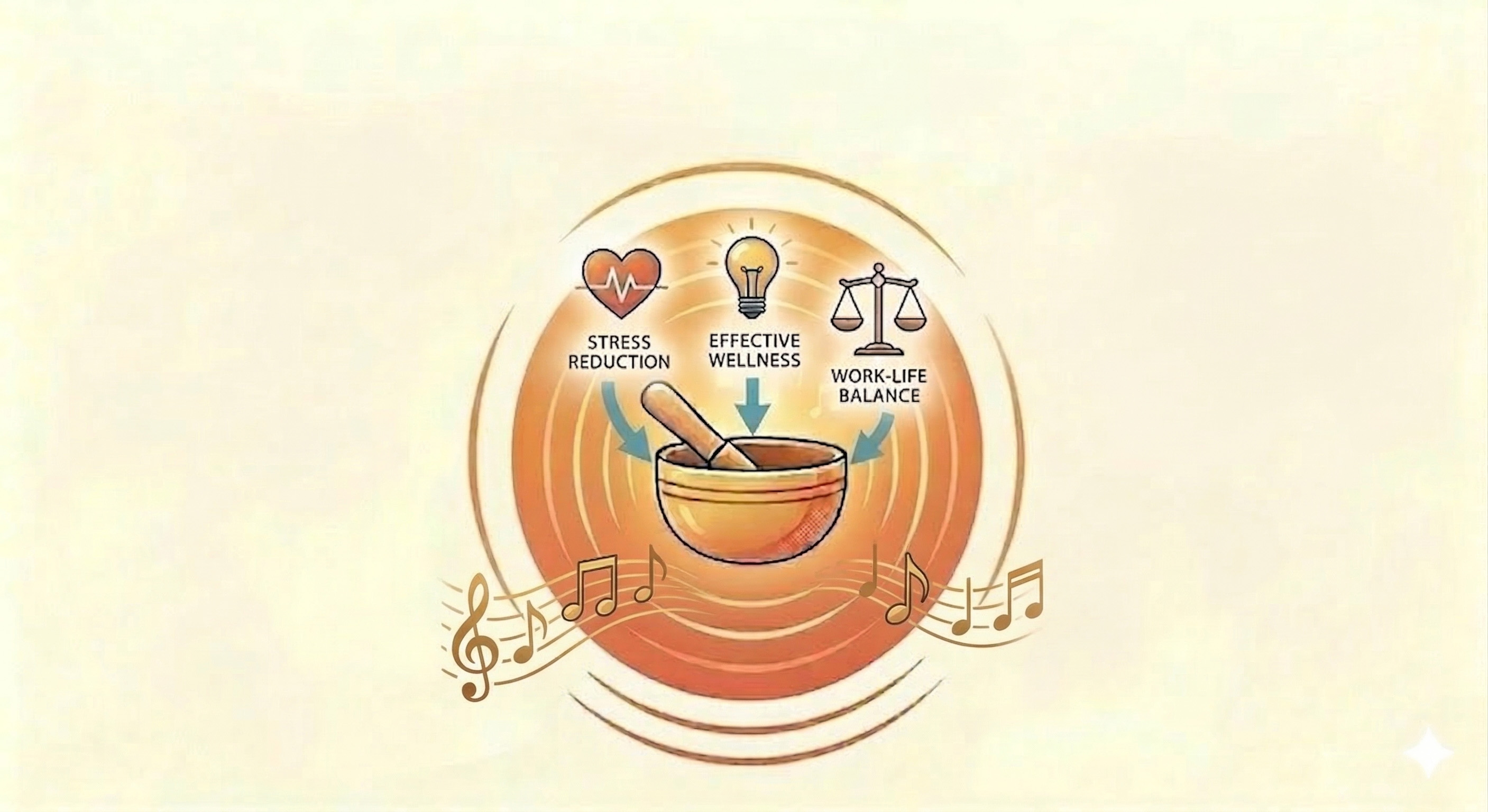
Our lab is conducting a pilot study to better understand how higher education professionals engage with wellness initiatives. This research examines how workplace experiences, including perceived stress, job demands, and job satisfaction, relate to interest in stress-reduction and wellness programs. While many institutions offer wellness resources, participation is often low. This study aims to identify factors that shape engagement, including both barriers and motivators, to better understand how wellness initiatives can be designed to meet the needs of professionals in higher education.
We are also exploring perspectives on alternative approaches to stress reduction, including sound-based wellness practices. Although these approaches have shown promise in other settings, their relevance and appeal within higher education remain underexplored. Findings from this study will help inform the development of more accessible, relevant, and effective wellness initiatives to support individuals working in demanding academic environments.